Speech, cognitive and language therapy app
React2 is an online app containing 9,000+ clinically designed speech and language therapy exercises for adults and children with brain injuries or learning difficulties who are working to rebuild their communication and processing skills.
- React2Pro For Therapists
- React2 For Home Users
70% of NHS Speech & Language Therapists use React2 with their clients
Source: Technology and Aphasia Review 2018, Kathy Cann


Who can benefit from React2?
React2 is ideal for adults and children working through a range of communication and cognitive challenges, providing targeted support across key clinical focus areas:
Aphasia & Stroke Recovery
Rebuilding Functional Speech and Understanding
Targeted phoneme, word, and sentence-building modules designed to assist individuals in recovering conversational skills post-stroke.
Traumatic Brain Injury (TBI)
Cognitive-Communication Rehabilitation
Exercises configured to assist with executive functioning, focus, information processing, and memory recovery following a brain injury.
Dementia & Cognitive Decline
Memory Retention and Communication Maintenance
Stimulating, errorless learning tasks designed to support cognitive engagement, memory recall, and daily functional communication.
Developmental Language Difficulties
Speech and Language Tools for All Learning Stages
Engaging, customisable learning tracks ideal for children and adults navigating developmental language delays and speech disorders.
Autism & Neurodiversity
Tailored, Interactive Social and Communication Practice
Welcoming, visually clear exercises designed specifically for children and individuals navigating Autism Spectrum Disorder (ASD), Down's syndrome, and diverse learning disabilities.
Neurological Conditions
Long-Term Support for Progressive Conditions
Steady, long-term communication maintenance tools for individuals managing progressive neurological conditions affecting motor speech, clarity, and vocal processing speed.
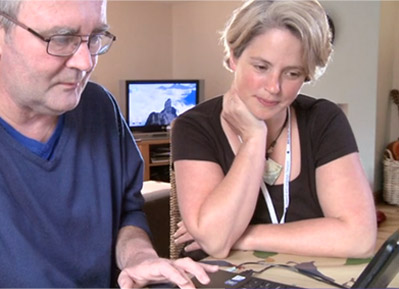
I set React2 exercises to match the client's level of ability. They find it fun but it does push them. It pushes them to the next stage.
Louise Runciman, NHS Speech & Language Therapist